
◆
DON'T JUST KNOW. DO.
◆
48% OF DELAYS ARE REACTIONARY. NOT ANYMORE.
◆
ASK. ANSWER. ACT.
◆
AIRLINES. GROUND HANDLERS. TSA. SYNCHRONIZED.
◆
LINX FOR AVIATION
◆
BUILT FOR THE APOC AND THE APRON
◆ DON'T JUST KNOW. DO. ◆ 48% OF DELAYS ARE REACTIONARY. NOT ANYMORE. ◆ ASK. ANSWER. ACT. ◆ AIRLINES. GROUND HANDLERS. TSA. SYNCHRONIZED. ◆ LINX FOR AVIATION ◆ BUILT FOR THE APOC AND THE APRON
THE PROBLEM
YOUR TOOLS SEE THE GAP. THEY DON’T CLOSE IT.
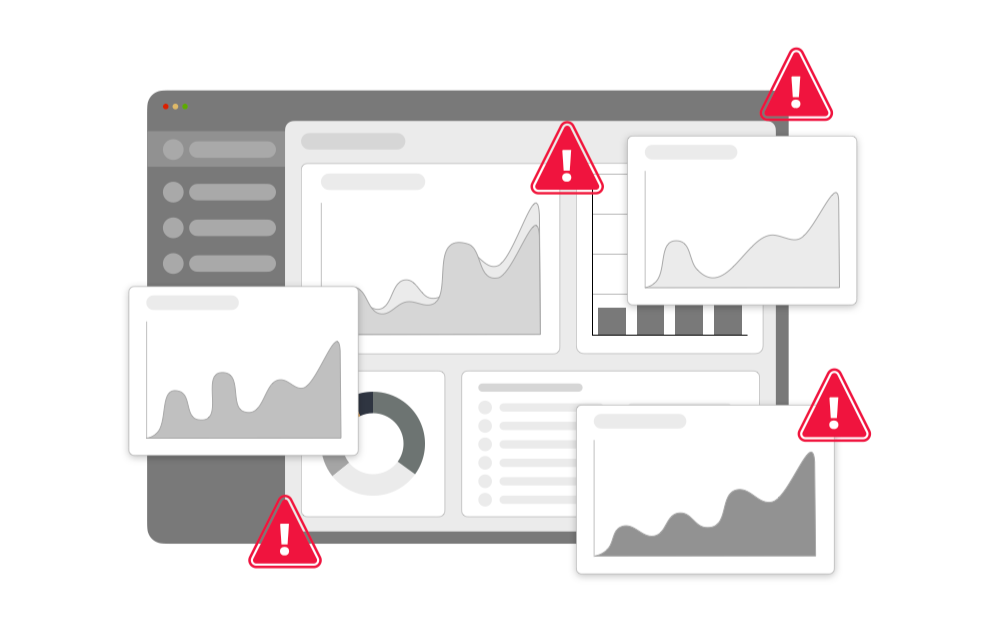
Dashboards, density alerts, and passenger flow monitors tell the APOC exactly where the crowd is building. Nobody gets a task. The work of figuring out who should open the lane, who’s authorized, and who’s available falls to whoever has time to make the calls. In an airport, that gap doesn’t stay local. It goes terminal-wide.
SPREADSHEET SPRAWL
Staff schedules, compliance tracking, and task assignments live in disconnected spreadsheets, emails, and physical binders. When a surge hits, decisions about where to deploy people were already made hours ago. The crowd builds faster than the manual process can respond.
DIVIDED CONTROL
The airport manages the building. Airlines control check-in. TSA controls security. Ground handlers control the apron. When a disruption hits, fixing it requires simultaneous alignment across every one of those independent organizations – each running different software, each operating in their own silo. Uncoordinated reactions don’t stop cascade failures. They cause them.
CASCADE FAILURE
Airport touchpoints are sequential and tightly linked. A delayed aircraft causes a gate change. A gate change causes a passenger surge. A passenger surge overwhelms security. Security queues spill into walkways, retail zones, and emergency exits. Airlines hold flights. Reactionary delays have accounted for nearly all flight delays in Europe for years running, and the conditions driving them are getting worse, not better.
THE APRON RUNS ON RADIO CALLS
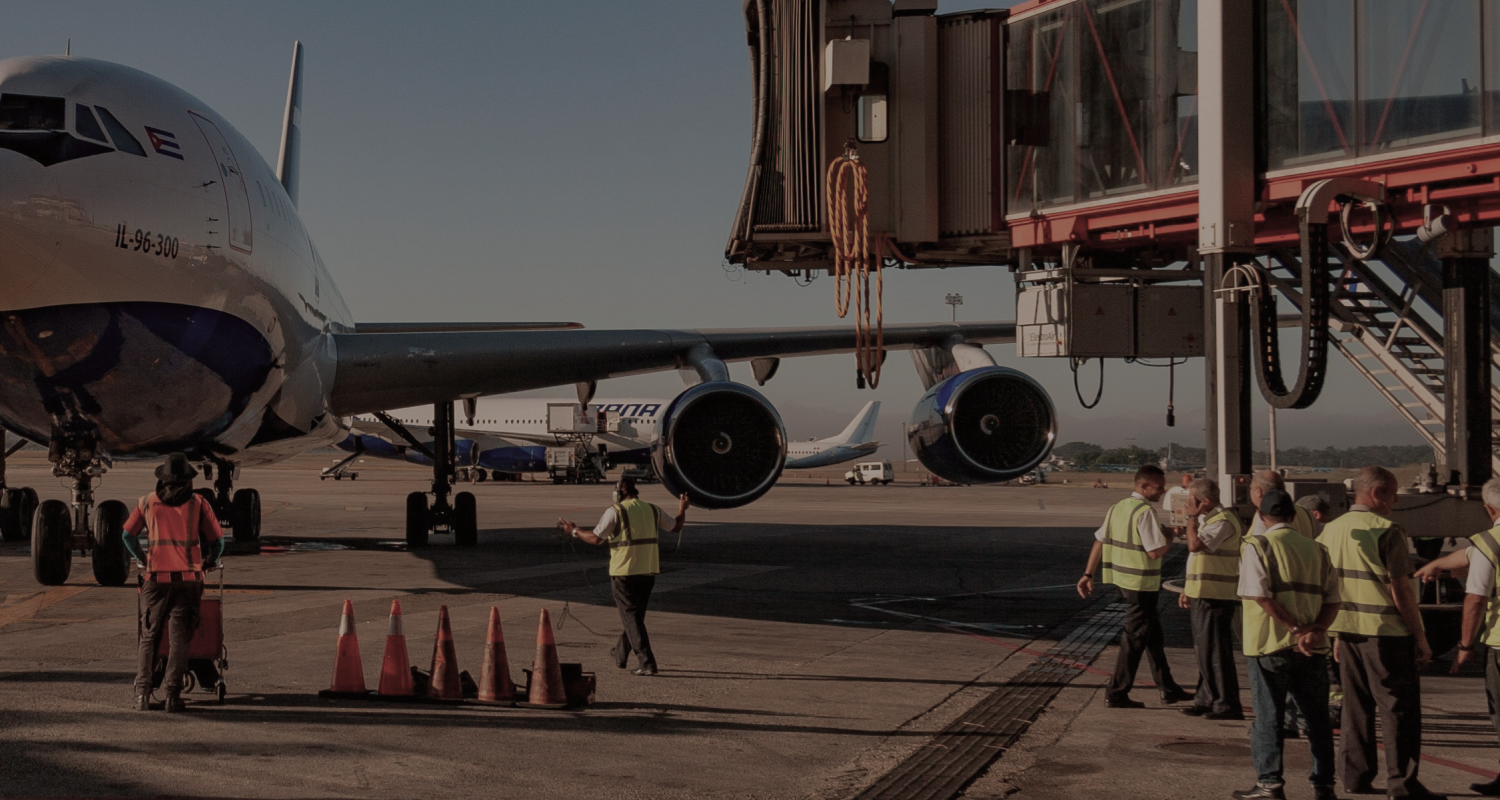
During an aircraft turnaround, ground handlers, catering, and fueling teams have minutes to choreograph a sequence that must go perfectly. They coordinate it with visual signals and sequential radio updates. One missed call throws the entire sequence. Loading errors cause dangerous weight and balance discrepancies. Uncoordinated ramp movements cause physical ground damage projected to cost the industry $10 billion by 2035.
COMPOUNDING EXECUTION RISK
Passenger volumes are projected to double by 2045. Many airports are landlocked, so they cannot build their way out. The labor force is shrinking. Fleets are aging. the manual workarounds holding airport operations together were already failing. At higher volume, they collapse entirely.
24.8%
Average cargo space that goes underutilized per flight. Not a capacity problem – a coordination problem. Manual workflows and bad data leave revenue sitting on the tarmac.
$7.90
Average profit airlines make per ticket. The global airline industry is projected to earn. There is no margin to absorb the cost of a coordination failure. Every bottleneck, every delay, every missed turnaround comes directly out of that number.
$173B
Infrastructure funding backlog at U.S. airports. Airports cannot build their way out of this. The only path forward is squeezing more execution out of the footprint they already have.
15 years
Average age of the global passenger fleet. Older aircraft mean more frequent maintenance, more complex turnarounds, and less room for coordination errors that manual workflows guarantee.
THE SOLUTION
THE ACTION LAYER.
LINX isn’t another dashboard. It’s the execution layer that connects every airline, ground handler, TSA agent, and terminal operator to the work they’re responsible for and lets them act, directly inside the platform.
A
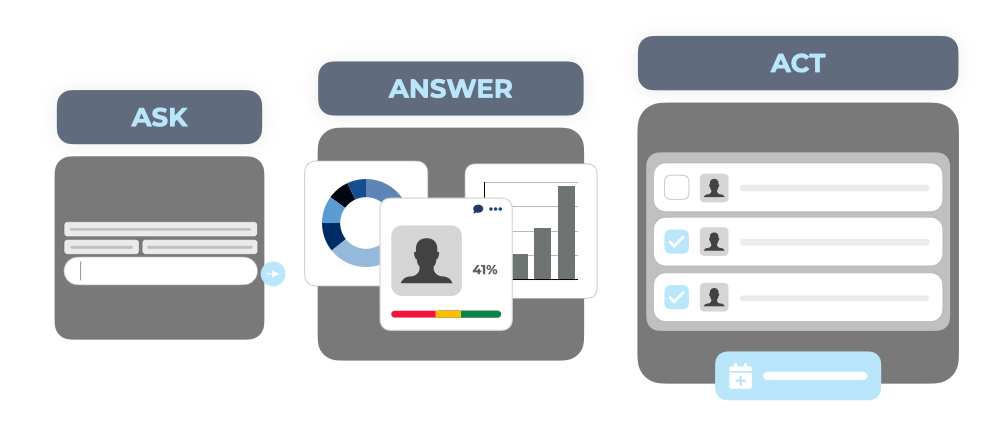
ASK
Consolidates personnel, schedules, certifications, gate assignments, turnaround requirements, and compliance deadlines into one source of truth. When a gate changes, a surge hits, or a storm rolls in – ask anything about your operation’s status in plain language.
A
ANSWER
Surfaces what needs to happen, who is authorized to do it, and when – across every independent stakeholder in the terminal. No manual triage. No calls down a chain of radio updates to figure out who’s available and cleared.
A
ACT
Delivers the task to the right person, whether they’re in the APOC, on the ramp, or managing a security checkpoint, and lets them execute directly inside the platform. Notify. Schedule. Assign. Escalate. This is the step every other tool skips.
KEY CAPABILITIES
BUILT FOR HOW YOU OPERATE.
For an airport managing airlines, ground handlers, TSA, and terminal ops across every gate, shift, and turnaround, the execution gap shows up the same way every time. LINX closes all four openings simultaneously.

CONSOLIDATED DATA
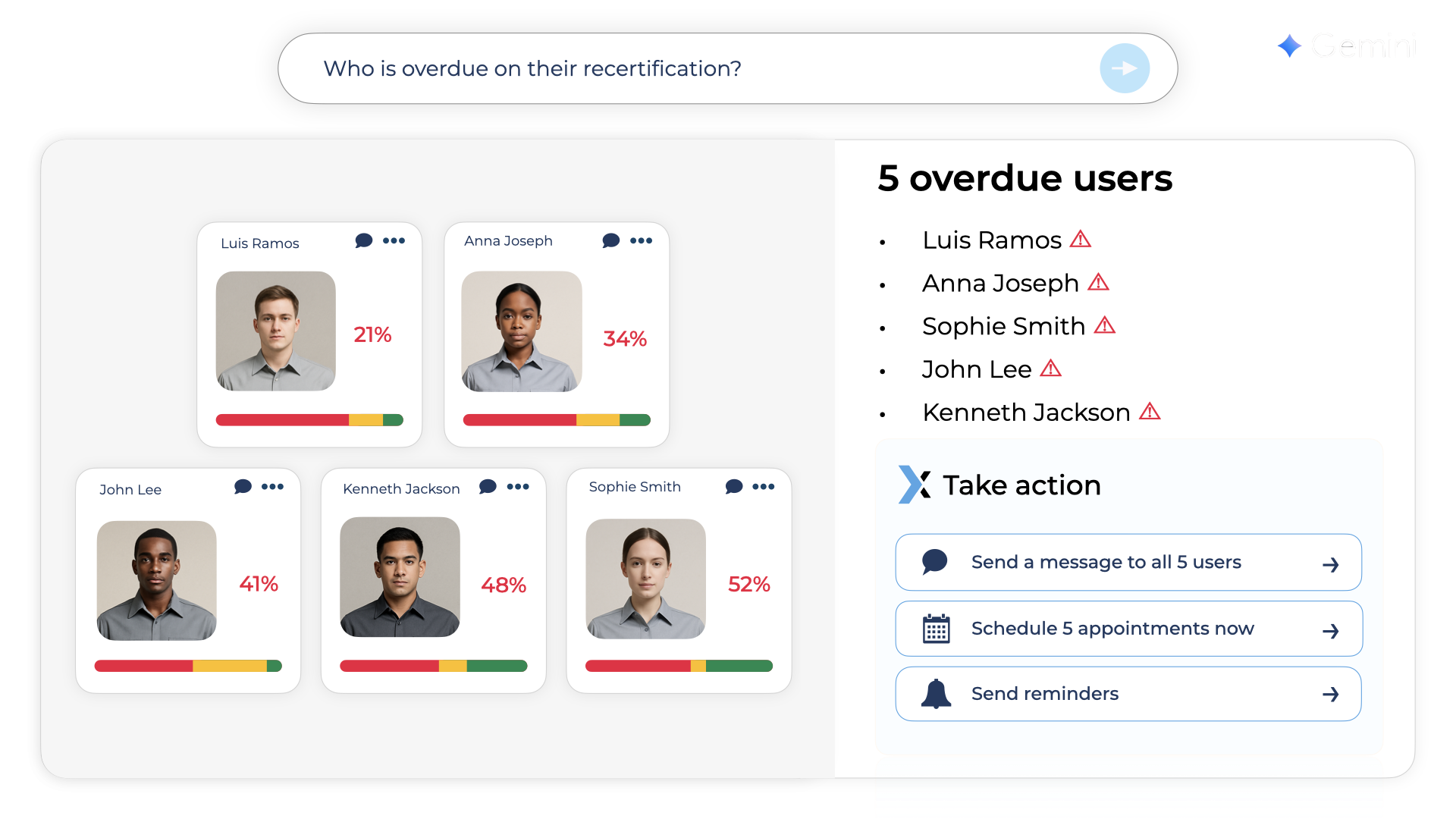
Gate status, turnaround checklists, personnel certifications, compliance filings, shift rosters, and load reconciliation data are currently spread across airline systems, ground handler platforms, and terminal operator software that don’t talk to each other. LINX pulls it into one source of truth so duty managers and ramp supervisors don’t have to patch together a picture from six different systems before they can act.
ROLE-AWARE TASKING
A gate agent sees their task list. A ramp supervisor sees their team’s readiness and what’s at risk. An APOC director sees the full operational picture – every gap, every open assignment, every compliance flag across the terminal. One system. Every role. No overlap, no gaps.

COMPLIANCE TRACKING & AUDIT TRAIL
Every task logged in real time. Every certification verified before assignment. Every safety check timestamped and attributed. Whether it’s an FAA inspection, a TSA audit, or an internal safety review, walk in with a complete, timestamped record already assembled. No reconstructing email chains. No hunting through binders. LINX has it.

LOCKED PROTOCOLS
On the apron, improvisation is a liability. Weight and balance procedures, turnaround checklists, safety inspections, and load reconciliation workflows are standardized and role-locked inside LINX. Every team follows the same sequence every time, regardless of which aircraft, crew, or how much pressure the clock is putting on the ramp. No improvisation. No exceptions.

SMART SCHEDULING
Turnaround windows don’t flex. Shift rotations, gate assignments, compliance milestones, and crew availability all compete for the same finite time. LINX manages the calendar – auto-deconflicting schedules across ground handlers, terminal staff, and security teams so that when a gate change hits or a surge builds, the right people are already in position.

BUILT-IN MESSAGING
Ground handlers, ramp supervisors, APOC managers, airline ops and security teams all communicating inside the same platform where work lives. No context lost between a radio call and a spreadsheet update. No critical turnaround instructions buried in an email thread. The message and the task arrive together.
AUDIT READY ISN’T A STATE IT’S A SYSTEM.
SECURITY & COMPLIANCE
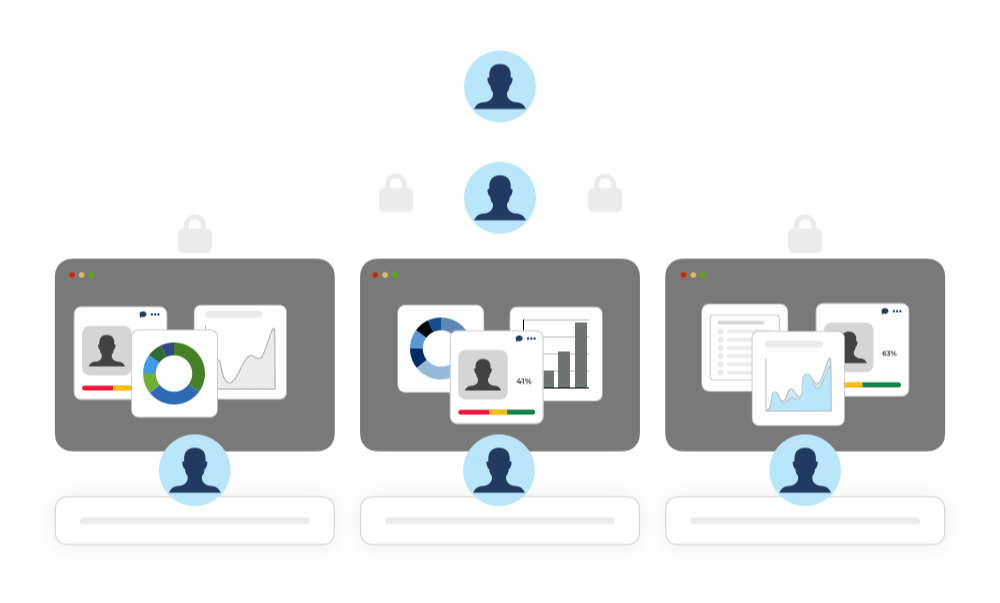
Every user sees exactly what they’re authorized to see – and nothing they aren’t. In an ecosystem where airlines, federal agencies, and private ground handlers share a terminal but not a chain of command, LINX enforces the boundaries that keep operations secure and liability contained.

Role-Based Access Control (RBAC)
Permissions mapped to role, organization, and operational tier. A ramp agent sees their turnaround checklist. A TSA supervisor sees their team’s task status. An APOC director sees the terminal. Nobody sees what they’re not cleared for, and the AI only surfaces actions each user is explicitly authorized to execute.
Full Audit Trail
Every assignment, completion, and escalation captured automatically and in real time. When the FAA comes for an inspection or a safety review lands on your desk, the record is already assembled: timestamped, attributed, and complete. No reconstruction. No gaps.
SSO / SCIM & Encryption
Enterprise authentication and identity management across every organization operating in the terminal – airlines, ground handlers, security contractors, and terminal staff. Full encryption at rest and in transit. LINX integrates with your existing identity infrastructure so access is airtight from day one.
On-Premise Deployment
For environments where operational data cannot leave the building – or the network. LINX deploys fully on-premise with no compromise to platform functionality. Data stays where your security posture requires it.
eVERY SECOND THE GAP STAYS OPEN, THE TERMINAL PAYS FOR IT. linx CLOSES IT.
LINX X AVIATION