

◆
DON'T JUST KNOW. DO.
◆
76% OF EMS PROFESSIONALS SAY BURNOUT IS CRITICAL
◆
ASK. ANSWER. ACT.
◆
AI EXECUTION ENGINE
◆
LINX FOR EMS
◆
EVERY CREW. EVERY SHIFT. EVERY TIME.
◆ DON'T JUST KNOW. DO. ◆ 76% OF EMS PROFESSIONALS SAY BURNOUT IS CRITICAL ◆ ASK. ANSWER. ACT. ◆ AI EXECUTION ENGINE ◆ LINX FOR EMS ◆ EVERY CREW. EVERY SHIFT. EVERY TIME.
THE PROBLEM
YOUR TOOLS SEE THE GAP. THEY DON’T CLOSE IT.
EMS operations chiefs already have dashboards. They have scheduling software, compliance binders, and HR platforms. What they don't have is a system that connects all of it — and acts. The data exists. The requirements exist. The gap is in execution: knowing who's credentialed, who's available, and who needs support, and being able to do something about it before the next crisis lands.
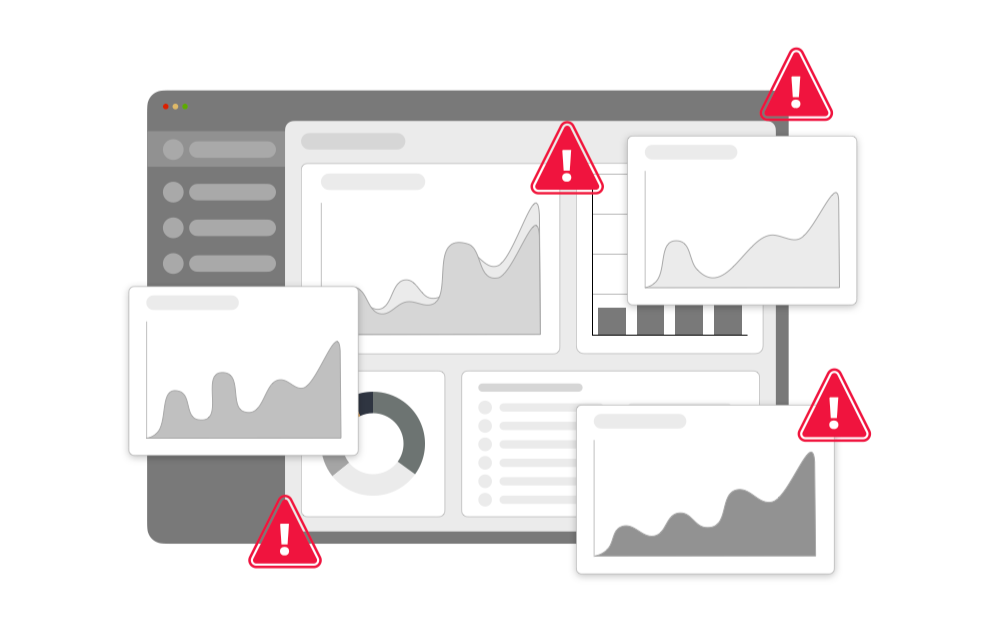
THE STAFFING SPIRAL
Chronic understaffing forces remaining crews into mandatory overtime. Overtime accelerates burnout. Burnout drives departures. Departures deepen the shortage. Operations chiefs know exactly what's happening and spend their shifts manually making phone calls to fill holes instead of breaking the cycle.
spreadsheet sprawl
Certifications, state licenses, ACLS cards, QA/QI retraining records tracked across disconnected HR tools, shared drives, and paper binders that nobody fully trusts. When an inspection arrives or a shift needs filling fast, leaders are hunting instead of acting.
THE DESKLESS DISCONNECT
More than half of EMS personnel report rarely or never receiving recognition or feedback from leadership. It's not because chiefs don't care, it's because field crews are unreachable through the tools leadership actually has. Passive emails don't reach a paramedic sitting on the wall at the ED.
ADMINISTRATIVE FIREFIGHTING
The problems EMS leaders are paid to solve — APOT mitigation, deployment strategy, crew well-being — don't get their attention because compliance overhead does. Every hour spent chasing down an expired certification is an hour not spent leading.
76%
Of EMS professionals identify burnout as a critical issue in their agency. The workforce isn't burning out because the job is hard. It's burning out because the systems supporting it are broken.
$1,526
Average revenue shortfall per transport. With negative margins on every run, EMS can't out-earn its inefficiencies — it has to eliminate them. Every hour of administrative overhead is a cost the model can't absorb.
5–7
The number of disconnected platforms the average EMS agency stitches together for scheduling, credentialing, HR, communications, and training. None of them share data natively. All of them create gaps.
25%
Of EMS professionals rank burnout as the single most pressing problem in their agency — above funding, above retention, above recruitment. The workforce crisis isn't coming. It's here.
THE SOLUTION
THE ACTION LAYER.
LINX isn't another HR platform. It's the execution layer that connects every credential, schedule, and communication across your EMS workforce and lets chiefs act on it directly inside the platform.
A
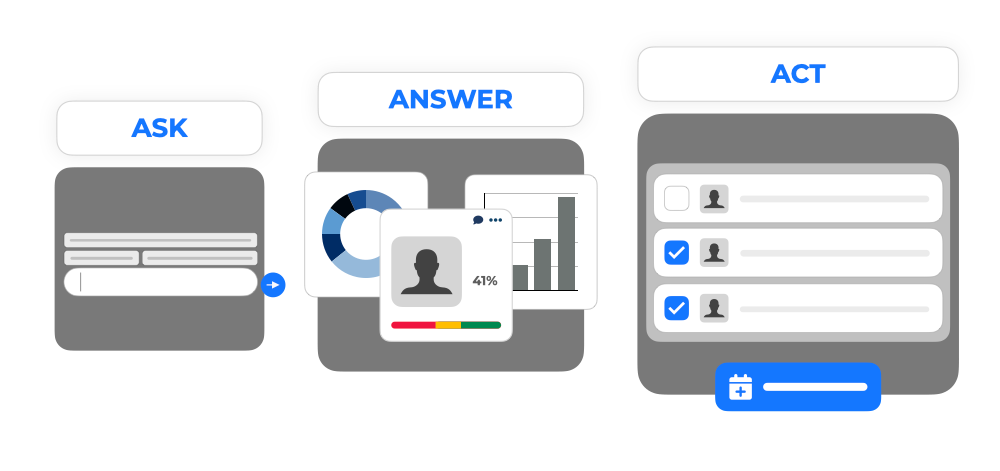
ASK
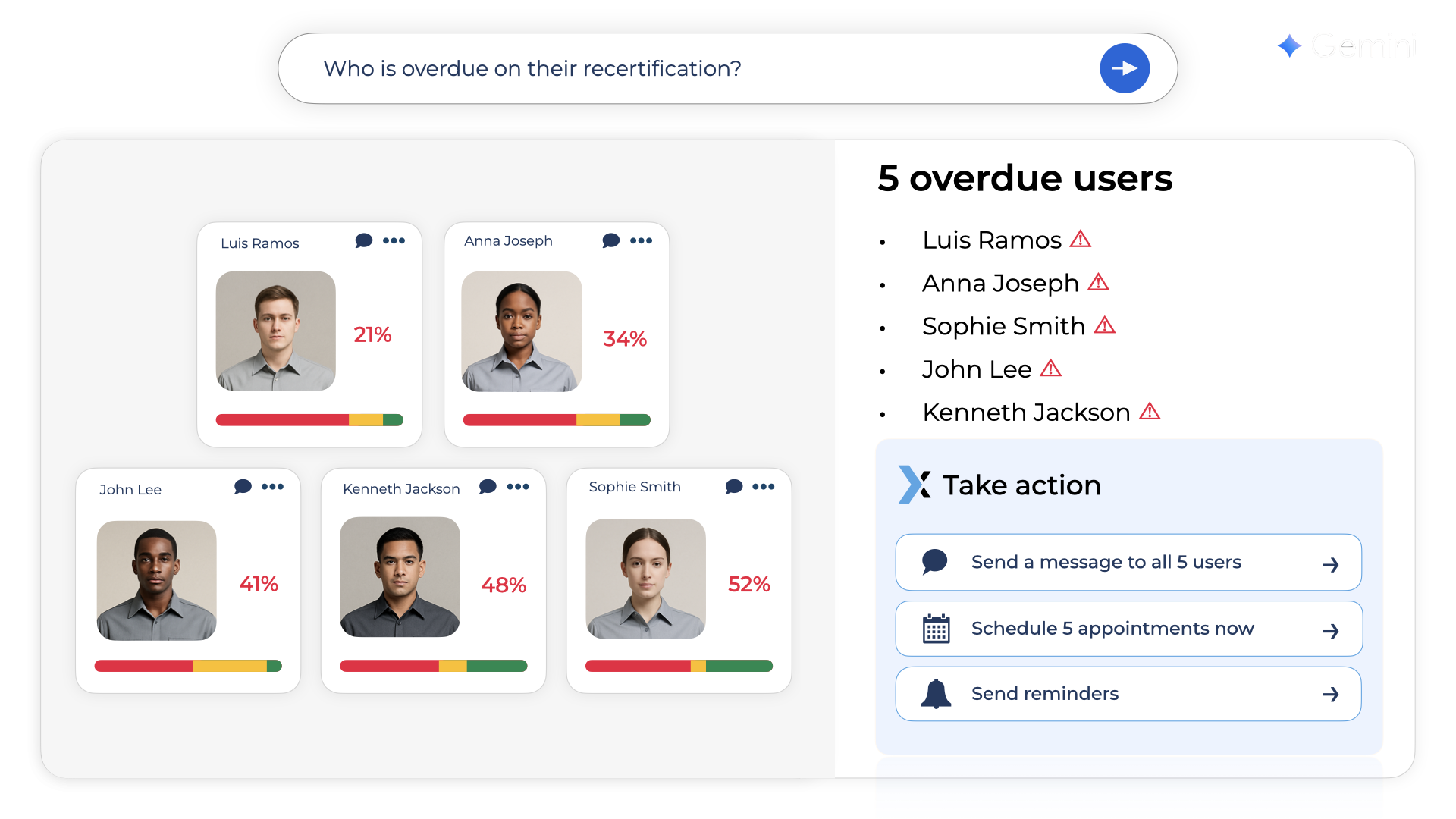
Consolidates certifications, state licenses, shift schedules, training completions, and compliance requirements into one source of truth. Ask anything about your workforce in plain language — who's credentialed for tonight's shift, who's overdue on retraining, which crews are running at maximum overtime exposure. LINX has the full picture.
A
ANSWER
Surfaces exactly who is ready, who isn't, and what needs to happen before the next shift starts with visual data, no manual triage, and no hunting across five disconnected systems. No spreadsheets to cross-reference. No binders to chase. No guesswork about whether your roster is actually ready to roll.
A
ACT
Delivers the task, message, or shift invite directly to the right person's mobile device and lets them execute inside the platform. Notify a crew of a new safety protocol. Push an open shift to every qualified paramedic at once. Send a mental health check-in to the team that just ran a critical pediatric call. Notify. Schedule. Assign. Escalate. This is the step every other tool skips.
KEY CAPABILITIES
BUILT FOR HOW YOU OPERATE.
For an EMS agency managing paramedics, EMTs, and operations staff across every shift, station, and certification cycle, the execution gap shows up the same way every time. LINX closes all six openings simultaneously.

CONSOLIDATED DATA
Certifications, state licenses, ACLS and PALS cards, training completions, QA/QI retraining records, shift history — currently scattered across HR platforms, shared drives, scheduling tools, and paper binders that nobody fully trusts. LINX pulls it into a single source of truth so operations chiefs don't have to patch together a picture of workforce readiness before they can make a single deployment decision.

ROLE-AWARE TASKING
A frontline paramedic sees their certification status, upcoming shifts, and any open tasks requiring their attention. A crew supervisor sees team readiness, compliance gaps, and coverage across their stations. An operations chief sees workforce-wide risk, overtime exposure, and organizational readiness at a glance. One system. Every role. No overlap, no gaps.

COMPLIANCE TRACKING & AUDIT TRAIL
Every certification upload, training completion, and requirement acknowledgment is captured automatically and tied to the individual's profile in real time. Walk into any compliance review with a complete, timestamped audit trail — without spending a week building it manually.

LOCKED WORKFLOWS
In EMS, credentialing and compliance aren't administrative preferences, they're the difference between a qualified crew on the rig and a liability on the road. LINX locks requirement workflows so that certifications must be submitted, protocols must be acknowledged, and retraining must be completed before a provider's readiness status clears.

SMART SCHEDULING
LINX manages the calendar — pushing open shift slots directly to qualified, credentialed personnel for self-selection, eliminating the manual phone calls that consume hours of leadership time every single day.

BUILT-IN MESSAGING
Operations chiefs need to reach paramedics sitting in ambulances, waiting on ED walls, and running calls — not checking email. LINX delivers actionable messages directly to crew mobile devices: a new protocol to acknowledge, an open shift to claim, a peer support check-in after a critical incident.
SECURITY & COMPLIANCE
SECURITY THAT MATCHES YOUR OPERATIONAL HIERARCHY.
Every user sees exactly what their role authorizes — and nothing it doesn't. In an environment where HIPAA compliance, personnel privacy, and sensitive operational data intersect daily, LINX governs access automatically so chiefs don't have to manage it manually.
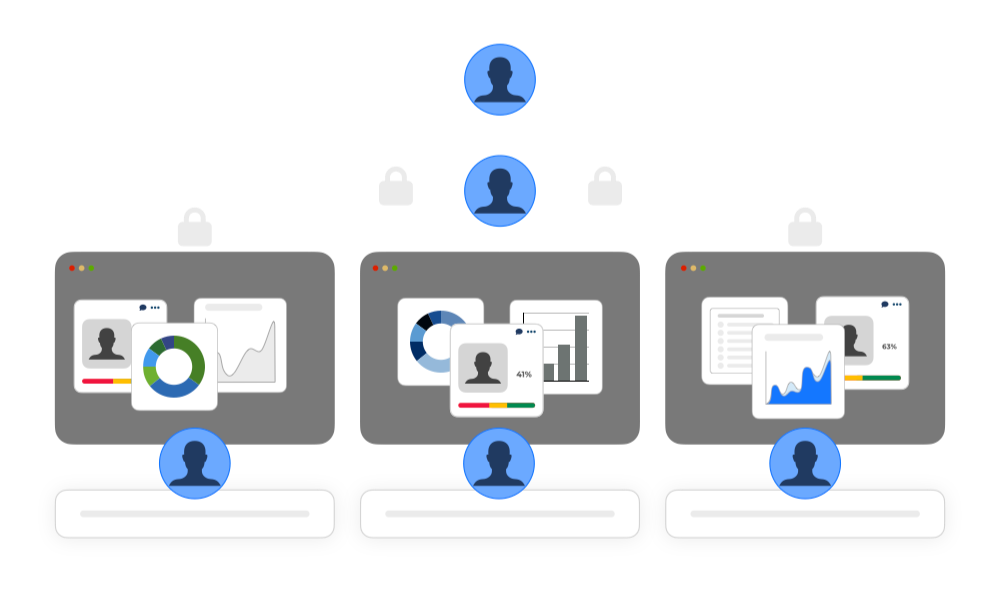

Role-Based Access Control (RBAC)
Permissions mapped to role, rank, and operational tier across the entire organization. A frontline EMT sees their own credentials, schedule, and tasks. A medical director sees workforce-wide compliance and readiness gaps. Every role sees exactly what they're authorized to see.
Full Audit Trail
Every credential submission, requirement completion, protocol acknowledgment, and task assignment is captured automatically and timestamped in real time. The record is already built. No reconstruction. No gaps. No scrambling before an inspection.
SSO / SCIM & Encryption
Enterprise authentication, identity management, and full encryption at rest and in transit. LINX integrates with existing municipal and health system IT infrastructure via Single Sign-On and SCIM, satisfying the governance requirements of city IT teams and medical directors without creating a new identity silo.
On-Premise Deployment
For agencies operating in environments where sensitive personnel or operational data cannot leave the building, LINX deploys fully on-premise without sacrificing platform capability. Full LINX functionality. Fully isolated. Data doesn't leave the wire.
LINX X EMERGENCY MEDICAL SERVICES